
Introduction
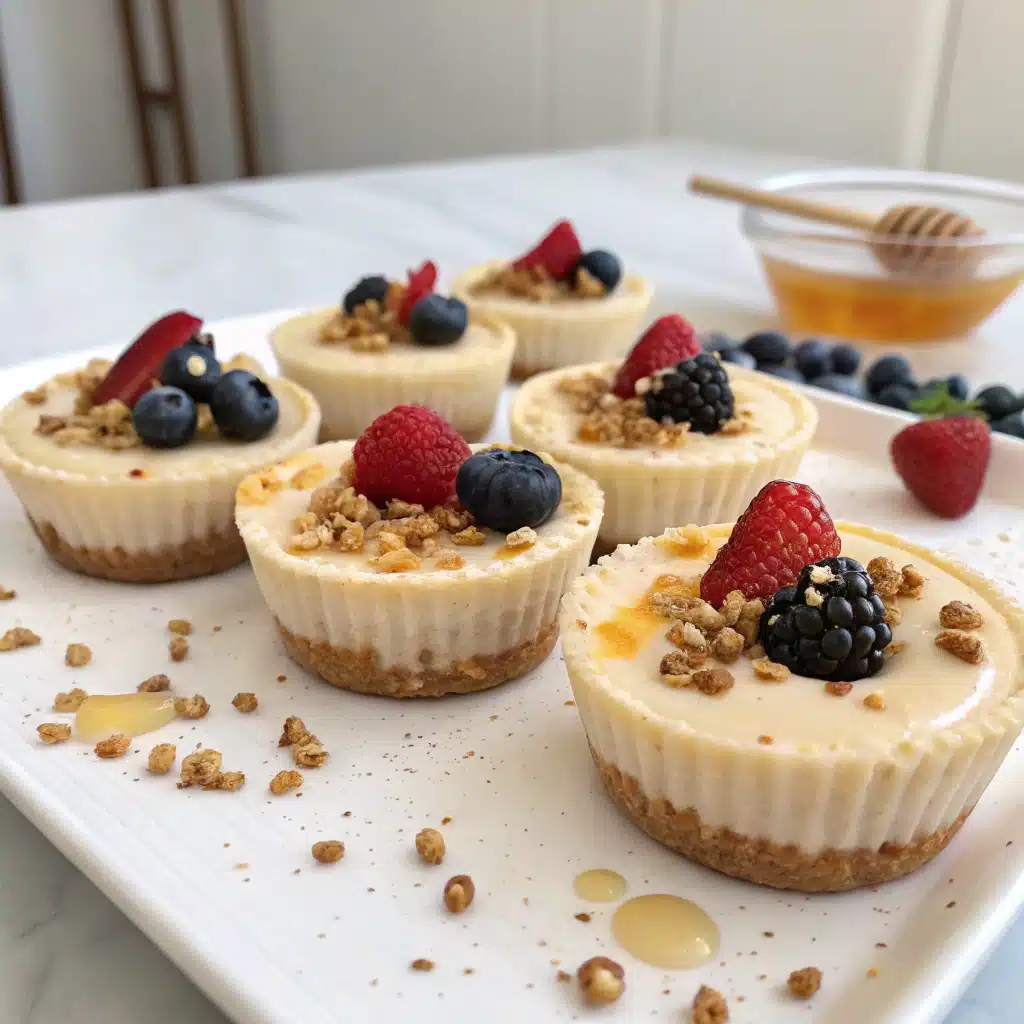
The culinary world is currently buzzing with high-protein desserts, and few recipes deliver the creamy satisfaction of a classic cheesecake while simultaneously boosting your nutritional intake. These Peanut Butter Cottage Cheese Cheesecake Cups are the perfect solution. They ditch the heavy cream cheese and replace it with blended cottage cheese, creating a surprisingly smooth, rich filling that is packed with protein. Quick to assemble and requiring zero baking, these cups are a fantastic meal prep dessert or a guilt-free post-workout treat that truly satisfies those sweet cravings.
Ingredients
- For the Crust:
- 1 cup (100 g) Graham Cracker Crumbs
- 1/4 cup (55 g) Unsalted Butter, melted
- 1 tablespoon (15 g) Granulated Sugar (optional)
- For the Filling:
- 16 oz (450 g) Full-fat Cottage Cheese
- 1/2 cup (120 g) Creamy Peanut Butter
- 1/4 cup (60 ml) Maple Syrup or Honey (adjust to taste)
- 1 teaspoon Vanilla Extract
- 1 scoop (30 g) Vanilla or Unflavored Protein Powder (optional, for extra thickness and protein)
- Pinch of Salt
Step-by-step Preparation
- Prepare the Crust: Preheat your oven to 350°F (175°C) if you prefer a baked crust, or skip baking for a no-bake crust. Line a 12-cup muffin tin with paper liners. In a medium bowl, combine the graham cracker crumbs, melted butter, and sugar. Mix until the crumbs are evenly moistened.
- Form the Bases: Distribute the crumb mixture evenly among the 12 muffin cups. Using the back of a spoon or a small measuring cup, firmly press the mixture into the bottom of each liner to form a compact crust. If baking, bake for 8 minutes; otherwise, place in the freezer while preparing the filling.
- Blend the Filling: This step is crucial for texture. Add the cottage cheese, peanut butter, maple syrup (or honey), vanilla extract, protein powder (if using), and salt to a high-speed blender or food processor. Blend continuously for 3–5 minutes, scraping down the sides as needed, until the mixture is perfectly smooth and there are absolutely no lumps remaining.
- Assemble the Cups: Pour or spoon the peanut butter cottage cheese filling evenly over the prepared crusts in the muffin tin. Gently tap the tin on the counter a couple of times to release any air bubbles and ensure a smooth top.
- Chill and Set: Cover the muffin tin loosely with plastic wrap and transfer to the refrigerator. Allow the cups to chill and set completely for a minimum of 4 hours, or ideally overnight. The chilling time allows the protein and cottage cheese structure to firm up into a classic cheesecake texture.
- Serve: Once set, remove the cups from the muffin tin and peel off the paper liners just before serving. Garnish with a drizzle of melted peanut butter, chopped peanuts, or a dusting of cocoa powder.
Nutritional Information
These Peanut Butter Cottage Cheese Cheesecake Cups offer a much healthier profile than traditional baked cheesecake. Each cup (approximately 1/12th of the recipe) contains roughly 200–230 calories, depending on the type of peanut butter and sweetener used. The primary health benefit is the high protein content, providing between 12–15 grams of protein per serving, making them excellent for muscle maintenance and satiety. They are also generally lower in refined sugar compared to store-bought desserts.
Storage
These cheesecake cups must be stored in an airtight container in the refrigerator due to the fresh dairy content. They will maintain optimal freshness and texture for up to 5 days. For longer storage, the cups freeze exceptionally well. Place them on a baking sheet until frozen solid (about 2 hours), then transfer them to a freezer-safe bag or container. They can be stored frozen for up to 3 months. Thaw individual cups overnight in the refrigerator before serving; reheating is not recommended.
Conclusion
These Peanut Butter Cottage Cheese Cheesecake Cups prove that healthy eating doesn’t mean sacrificing indulgence. Their creamy texture and rich peanut butter flavor make them an instant favorite. For variations, try swapping the peanut butter for almond butter or Biscoff spread, or add a layer of melted dark chocolate on top before chilling. They are best served cold, straight from the fridge, offering a dense, satisfying bite perfect for any time of day.